

Foam sclerotherapy is a vein treatment in which a doctor injects a chemical mixed with air, which forms a foam, into a diseased vein so the vein closes and blood stops flowing through it. It is one of the procedures used for varicose veins, and our varicose vein treatment page lists it among the treatments we offer. Whether it fits you depends on your veins, which is why a free vein screening is the usual first step.
Quick Summary
- What it is: an injection treatment that uses a foam made from a sclerosant, a chemical that irritates the inside of a vein so it seals shut.
- What it treats: varicose veins that are causing blood to pool. The goal is to block the problem vein so other veins can take over, according to the National Heart, Lung, and Blood Institute (NHLBI).
- How it differs from liquid sclerotherapy: NHLBI says liquid sclerotherapy is more often used for spider veins, while foam is one of the options for varicose veins.
- Guidance: the NHS and NHLBI both describe ultrasound being used during the procedure to guide treatment.
- Aftercare: both sources describe compression stockings for about a week, and the NHS lists some pain and bruising as possible.
- Risks: NHLBI lists skin color changes first. It also lists rare but serious complications: blood clots in a vein, nerve damage, serious allergic reaction and stroke.
- Urgent signs: bleeding from a varicose vein, chest pain, trouble breathing, coughing up blood or fainting need emergency care. Leg pain, swelling, redness and warmth that could mean a clot need a call to a doctor right away.
- This article is general information and does not replace an in-person medical evaluation.
What is foam sclerotherapy?
Foam sclerotherapy is an injection treatment for varicose veins. A doctor injects a chemical mixed with air into the vein, and the chemical blocks the vein so that blood stops flowing through it, the NHS explains. NHLBI describes the same idea more broadly: sclerotherapy uses liquid or foam chemicals to create a plug that seals the vein shut.
Because the treatment closes a vein rather than removing it, the blood that was flowing through that vein reroutes through other veins. NHLBI says the aim of procedures like this one is to block or destroy the varicose vein causing blood to pool, which allows other veins to take over.
How is foam different from liquid sclerotherapy?
The main difference is the form of the medicine. In liquid sclerotherapy, a fine needle delivers a liquid sclerosing solution into small veins. RadiologyInfo.org, a patient site run by the American College of Radiology and the Radiological Society of North America, describes how this works: the solution irritates the lining of the vein, which swells and sticks together, and over time the vessel turns into scar tissue that fades from view. Foam is also a sclerosing treatment, but the chemical is mixed with air to form a foam, and the NHS and NHLBI describe it in the context of varicose veins.
NHLBI says liquid sclerotherapy is more often used for spider veins. If your concern is small red or blue surface veins, our spider vein treatment page explains the approaches we use for those. Which form of sclerotherapy suits a given vein is a decision for your physician after examining you.
What happens during a foam sclerotherapy procedure?
Descriptions from the NHS and NHLBI follow the same general steps:
- The doctor identifies the vein to be treated. NHLBI says an ultrasound may be used to see how well your veins are working.
- The foam is injected into the vein. The NHS says ultrasound is used to make sure the injections are in the right place.
- The chemical blocks the vein, so that blood stops flowing through it.
- You go home the same day. The NHS says the procedure is done in a hospital or clinic and patients go home the same day, and NHLBI says it can take place in a doctor's office.
The NHS also says it usually offers foam sclerotherapy when another approach, endothermal ablation, is not suitable. That is how the UK health system sequences its treatments, and your own physician may reach a different recommendation based on your veins. Our vein disorders page lists duplex ultrasound for reflux and mapping as part of how we diagnose vein conditions, and the right treatment follows from what that scan shows.
Ask the office how your treatment would be guided, whether numbing is used, and how long the visit is expected to take. The sources above describe the general process, not any one practice's routine.
What is recovery like?
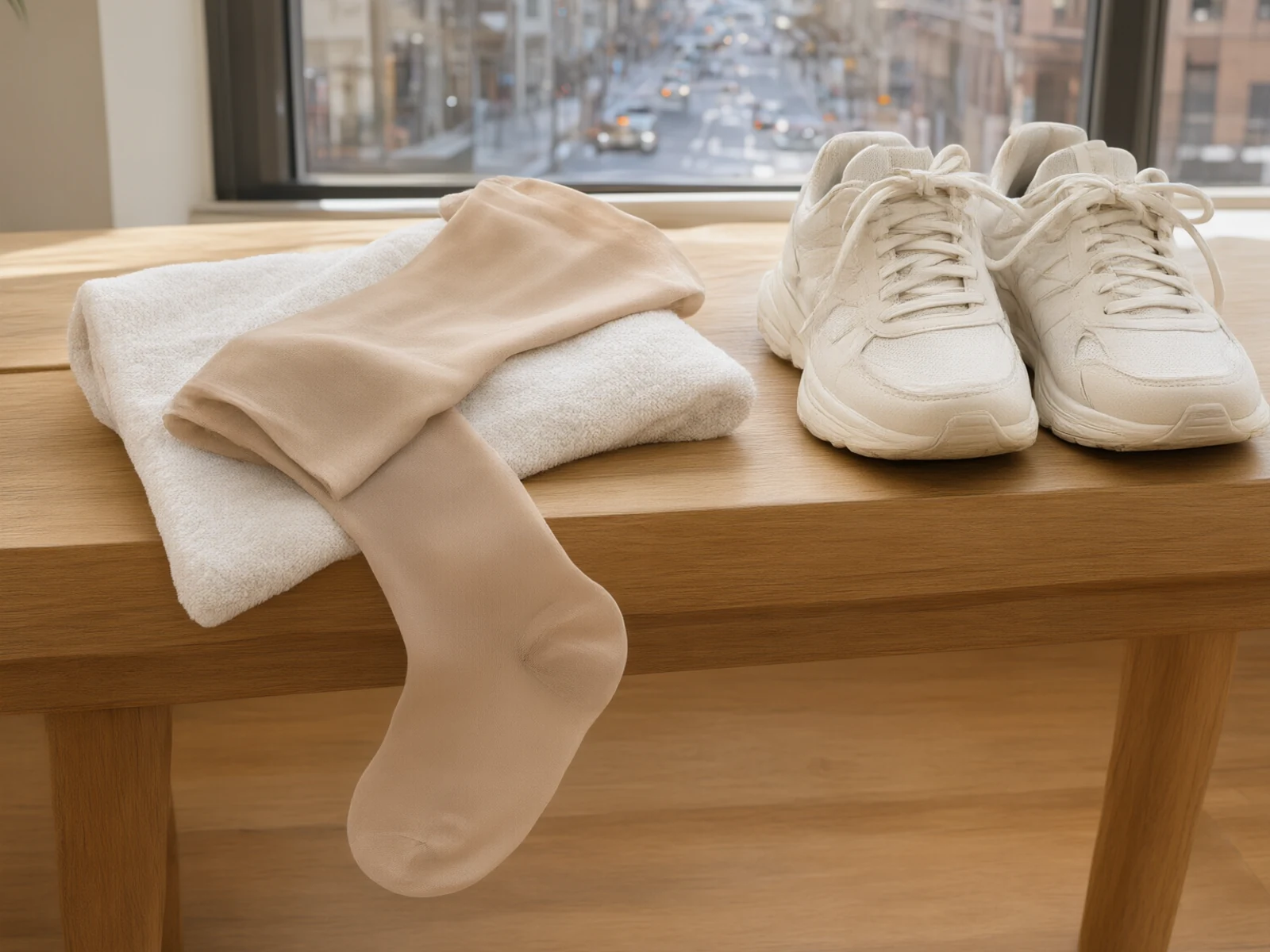
Recovery after foam sclerotherapy is usually brief but not zero. The NHS says you may need to wear compression stockings for about a week and may have some pain and bruising, and that most people can return to most usual activities straight away. NHLBI says providers will probably recommend wearing compression stockings for at least a week after a procedure to close off varicose veins, and that some people find compression stockings uncomfortable or itchy.
Your doctor may also suggest avoiding sun exposure or using sunscreen with an SPF of 30 or higher after some procedures, NHLBI notes, to help prevent scars and skin changes. Follow the instructions you are given. They may differ from the general guidance here.
What are the risks and side effects?
No vein procedure is risk-free. NHLBI lists the complications of foam sclerotherapy as skin color changes and, rarely, venous thromboembolism (a blood clot in a vein), nerve damage, serious allergic reaction or stroke. It adds that some people may have temporary vision problems, headaches or confused mental states after the procedure.
RadiologyInfo.org, describing sclerotherapy more generally, lists bruising around injection sites, lumpiness or hardness in larger treated veins that can last for months, and brown lines or spots on the skin. It says brown marks usually fade in three to six months but can be permanent about five percent of the time. It also says people who are pregnant or breastfeeding generally cannot have sclerotherapy, so tell your doctor if you could be pregnant.
Tell your doctor about your medical history, medications and allergies before any procedure, and ask what the specific risks are for you.
Who might a doctor consider it for?
Foam sclerotherapy is not the right choice for everyone, and it is not a way to treat every vein. A physician generally weighs the size and location of the vein, how the valves are working on a duplex ultrasound, your symptoms and your health history. RadiologyInfo.org notes that larger varicose veins do not respond as well to sclerotherapy as small ones, which is one reason doctors may recommend other procedures, such as ablation or phlebectomy, alone or alongside it.
No source can tell you in advance how your veins will respond. Results vary by person and by vein, and veins that are treated may be followed by new ones over time.
When should you see a doctor about varicose veins?
Varicose veins do not always need treatment, but certain signs deserve prompt attention. NHLBI advises calling your provider right away if your varicose veins suddenly get worse or you notice bleeding or a sore, and says to call 911 if a varicose vein is bleeding. The NHS likewise recommends seeing a doctor for symptoms such as pain, itching or swelling in the legs, or a leg sore that has not healed after two weeks.
Chest pain, trouble breathing, coughing up blood or fainting are emergency signs on their own. Go to the emergency room or call 911 right away if you have them. MedlinePlus also lists redness, warmth, swelling and pain or tenderness in a leg, most often on one side, as symptoms of a blood clot in a deep vein (DVT), and says to contact your provider if you have them. Do not wait for a routine appointment. Our guide to deep vein thrombosis symptoms and when to see a specialist explains the warning signs in more detail.
What should you ask before foam sclerotherapy?
A short list of questions can make the consultation more useful:
- Is foam sclerotherapy appropriate for my veins, and what other options should I compare it with?
- What will an ultrasound show about my veins before treatment?
- How is the treatment guided, and is numbing used?
- What side effects and risks apply to me, given my health history and medications?
- Will I need compression stockings, and for how long?
- What activity limits apply afterward, and when should I call the office?
- How many visits might I need, and how will we know whether it worked?
Frequently Asked Questions
Is foam sclerotherapy painful?
The NHS says you may have some pain and bruising afterward. Sensations during the procedure vary by person and by how it is done, so ask the office what to expect. Tell your doctor about any pain that is severe or getting worse.
Is foam sclerotherapy used for spider veins?
NHLBI says liquid sclerotherapy is more often used for spider veins, while foam is among the options listed for varicose veins. Your physician decides which approach suits the vein being treated.
How long do I wear compression stockings afterward?
The NHS says you may need them for about a week, and NHLBI says for at least a week. Your doctor will give you instructions for your own treatment.
Will the treated vein come back?
Sources do not promise that veins will not return, and neither do we. RadiologyInfo.org says new veins may appear over time after sclerotherapy, and that some people return for more injections. Varicose veins are a long-term condition, and your physician can explain what follow-up makes sense for you.
Do I need an ultrasound first?
The NHS says specialists usually do a duplex ultrasound to confirm varicose veins and plan treatment. Not every visit includes a scan: our free vein screening includes a medical history, a physical exam of the veins and Doppler ultrasound "when indicated," and your physician decides whether one is needed for you.
Book a Free Vein Screening in New York
If leg aching, swelling or bulging veins have you wondering about your options, start with a Free Vein Screening. One of our physicians will review your history, examine your veins and talk through the options that may apply to you, with no obligation.
- Manhattan: 212.987.0500
- Manhasset: 516.482.4477
- Commack: 631.543.4599
This article is educational and does not replace an in-person medical evaluation.
Related Treatment Resources
- Understanding varicose veins: symptoms and when to seek treatment
- Deep vein thrombosis symptoms and when to see a specialist
- Varicose vein treatment at Schulman Vein and Laser Center
Sources
- NHS, "Varicose veins" (page last reviewed July 1, 2024): nhs.uk
- NHLBI, National Institutes of Health, "Varicose Veins" (last updated September 26, 2023): nhlbi.nih.gov
- MedlinePlus (National Library of Medicine, NIH), "Deep vein thrombosis" (review date April 1, 2025): medlineplus.gov
- RadiologyInfo.org (American College of Radiology and Radiological Society of North America), "Sclerotherapy of Varicose Veins and Spider Veins" (last reviewed February 25, 2025): radiologyinfo.org
Need Personalized Vein Care?
Schedule a physician-led evaluation and review treatment options tailored to your symptoms and goals.