
A phlebologist is a doctor who focuses on diagnosing and treating vein disease, while a vascular surgeon is trained to treat the whole vascular system, arteries and veins alike, with medicine, minimally invasive procedures or surgery. For varicose and spider veins, either can be the right doctor. What matters most is the physician's training, certification and how much of their practice is devoted to veins. If you're comparing a phlebologist vs vascular surgeon in New York, a free vein screening is a simple first step.
Quick Summary
- Phlebology is the field of medicine devoted to vein disease. Its certifying board, now called the American Board of Venous & Lymphatic Medicine, began as the American Board of Phlebology.
- Vascular surgeons treat diseases of the arteries and veins throughout the body, except the brain and heart, according to the Society for Vascular Surgery.
- Credentials are checkable. Use New York's license lookup and the issuing board's instructions for certification verification; a physician directory may not provide formal verification.
- Ask direct questions about who performs your evaluation and treatment, how veins are tested and which treatments are offered.
- This article is general information and does not replace an in-person medical evaluation.
What is a phlebologist?
A phlebologist is a physician whose practice centers on veins: spider veins, varicose veins, venous insufficiency and related problems. Training paths differ from doctor to doctor, so it's fair to ask a phlebologist about their original specialty and any certification in vein care.
Vein care can cover cosmetic spider veins as well as swelling, skin changes near the ankle and slow-healing ulcers. Physicians use the history, exam and tests such as duplex ultrasound to assess the problem and discuss treatment options.
Physicians can pursue certification in the field. The American Board of Venous & Lymphatic Medicine (ABVLM) says it was established in 2007 as the American Board of Phlebology and changed its name in June 2013. It describes venous and lymphatic medicine as covering conditions from varicose veins and venous edema to venous ulcers, deep vein disease and lymphedema.
What is a vascular surgeon?
A vascular surgeon is a surgeon trained to treat diseases of the vascular system, including both arteries and veins. The Society for Vascular Surgery (SVS) says vascular surgeons manage veins and arteries in every part of the body except the brain and the heart.
Despite the title, surgery is only part of the job. The SVS notes that vascular surgeons "see and treat many patients who don't require surgery," and that many vascular problems can be treated with medication or exercise. They're trained in open surgery and in minimally invasive, endovascular procedures.
A vascular surgeon's work often extends well beyond veins: blocked arteries, aneurysms and circulation problems in the legs, neck and abdomen. Some vascular surgeons limit their practice to veins, so the two titles can overlap.
Phlebologist vs vascular surgeon: what's the difference for vein patients?
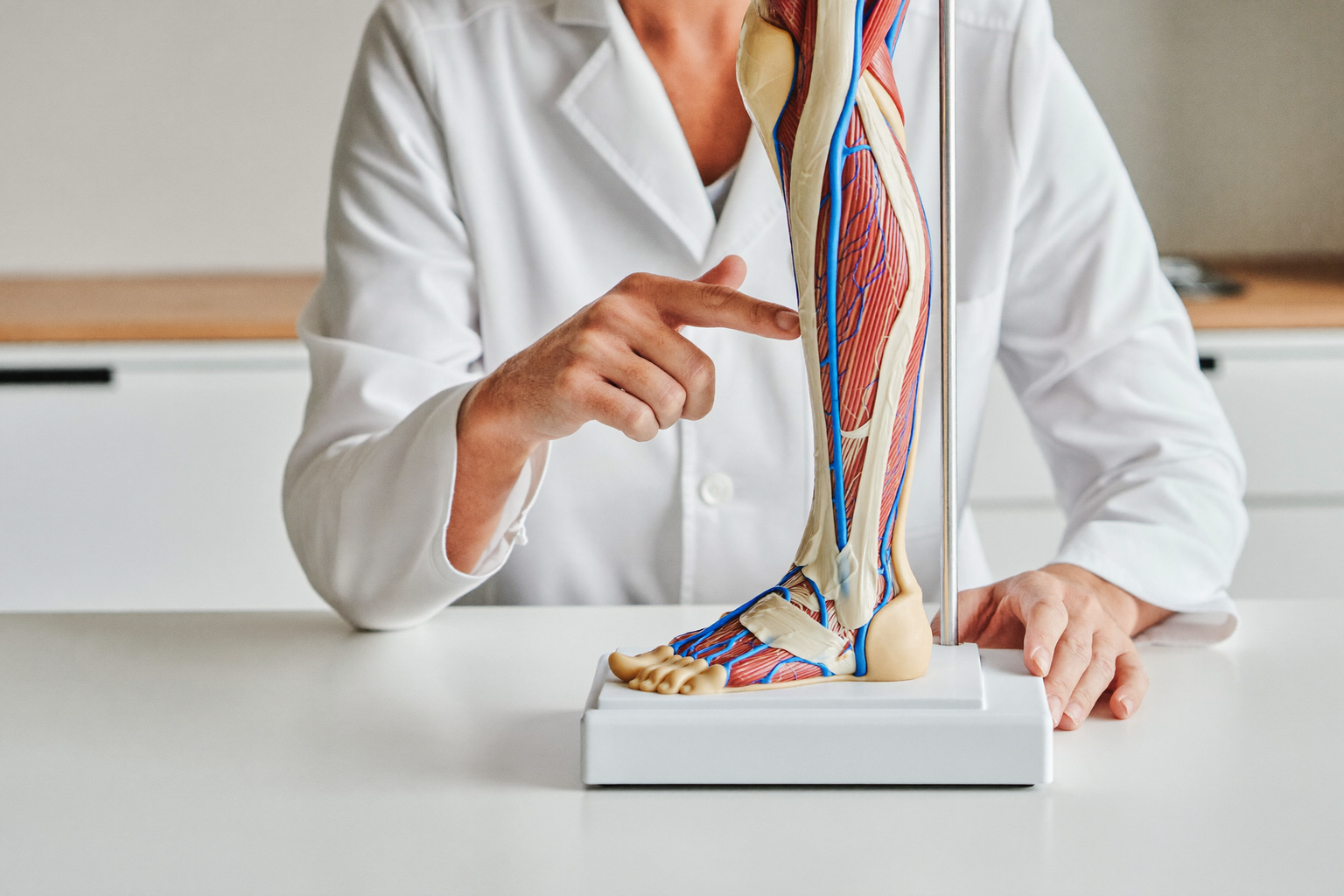
The titles describe different areas of focus and training. A vascular surgeon treats the vascular system. A phlebologist concentrates on veins. Both may offer minimally invasive vein treatments, depending on their training and practice.
Here is a simple way to think about it:
| Phlebologist | Vascular surgeon | |
|---|---|---|
| Main focus | Veins: spider veins, varicose veins, venous insufficiency | Arteries and veins throughout the body, except the brain and heart |
| Typical vein treatments | Often minimally invasive office procedures such as sclerotherapy, laser treatment and phlebectomy | Medical, minimally invasive and surgical options |
| Training to ask about | Original specialty and any certification in venous and lymphatic medicine or phlebology | Training and board certification in vascular surgery |
Neither title guarantees a result. The better question is whether the doctor in front of you evaluates veins properly, explains your options clearly and has the training to perform the treatment they recommend.
Which doctor treats varicose veins?
Varicose veins can be treated by different kinds of physicians, including phlebologists and vascular surgeons. The right choice depends on your symptoms and on what a proper vein evaluation finds.
Some signs point toward a full vein evaluation rather than a cosmetic visit:
- Aching, heaviness or swelling in the legs
- Skin discoloration or thickening near the ankles
- A slow-healing sore near the ankle
- Varicose veins that return after earlier treatment
A full evaluation usually starts with a history and an exam while you stand. When it's needed, a duplex ultrasound shows blood flow in the veins and whether the valves are working. Our vein disorders page explains how we diagnose venous insufficiency and reflux.
Sudden swelling, pain or warmth in a leg needs urgent medical attention. Chest pain or sudden shortness of breath needs emergency care. Call 911 or go to the nearest emergency room. The CDC's blood clot guidance explains why these symptoms need prompt attention.
How can you check a vein doctor's credentials?

Start with the doctor's full name, then use the official resources below. A medical license and a specialty certification are different credentials, and not every directory provides formal verification.
- Medical license: the New York State Education Department's Office of the Professions offers a license verification search for physicians licensed in New York.
- ABMS board certification: the American Board of Medical Specialties (ABMS) links patients to Certification Matters for certification information from its Member Boards. Start on the ABMS board certification page.
- Venous and lymphatic medicine: the ABVLM physician directory lists certified specialists. ABVLM explicitly says the directory is not a verification tool; follow its instructions to request formal certification verification from the board.
When a practice lists a credential, look for the exact wording and the board that issued it. "Vein specialist" by itself describes a focus, not a certification.
What should you ask at your first vein visit?
Good questions help you compare doctors fairly, whatever their title. Bring these to your first appointment:
- Who will examine me, and who will perform my treatment?
- What is your training, and which board certified you?
- How much of your practice is devoted to veins?
- Will I need a duplex ultrasound, and who performs and reads it?
- Which treatments do you offer, and why do you recommend this one for me?
- What does recovery involve, and when can I return to normal activity?
- What are the possible side effects or risks?
- What will my insurance cover, and what costs should I expect before I decide?
A good vein doctor welcomes these questions. You should leave knowing what was found, what your options are and why one is being suggested.
For a local starting point, you can schedule a Free Vein Screening and bring these questions to your visit.
How we approach vein care at Schulman Vein and Laser Center
Our practice is focused entirely on vein care. Every patient is evaluated and treated personally by one of our two physicians: Dr. Martin L. Schulman or Dr. Lee G. Schulman. You can read more about both doctors on our About page.
A visit starts with a detailed medical history and a physical exam of the veins, with Doppler ultrasound when indicated. Treatments listed on our services page include EVLT laser ablation, micro ambulatory phlebectomy and several forms of sclerotherapy. The right option depends on your exam.
If you're preparing for a first visit, our guide to preparing for a vein treatment appointment covers what to bring and what to expect.
We see patients in Manhattan, Manhasset and Commack.
Frequently Asked Questions
Is a phlebologist a real doctor?
Yes. A phlebologist is a physician who focuses on vein disease. Because training paths differ, it's reasonable to ask about their original specialty and any certification in vein care.
Should I see a vascular surgeon or a vein specialist for varicose veins?
Either can be appropriate. Many varicose veins are treated with minimally invasive office procedures that both phlebologists and vascular surgeons perform. Choose based on training, certification, how much of the practice is devoted to veins and whether the evaluation includes ultrasound when needed.
Do I need a referral to see a vein doctor?
It depends on your insurance plan, so check with your insurer. At Schulman Vein and Laser Center, no referral is required to schedule a free vein screening.
Are phlebology and venous and lymphatic medicine the same thing?
They're closely related. The American Board of Venous & Lymphatic Medicine says it was established in 2007 as the American Board of Phlebology and took its current name in June 2013. If you have leg aching, swelling or visible varicose veins, our guide to chronic venous insufficiency explains what a vein evaluation looks for.
Book a Free Vein Screening in New York
If you're not sure which kind of doctor you need, start with a Free Vein Screening. A physician will review your history, examine your veins and recommend an ultrasound if it's needed, with no obligation.
- Manhattan: 212.987.0500
- Manhasset: 516.482.4477
- Commack: 631.543.4599
This article is educational and does not replace an in-person medical evaluation.
Related Treatment Resources
- Varicose vein treatment in Manhattan
- Chronic venous insufficiency: symptoms and treatment
- Preparing for your vein treatment appointment
Sources
- Society for Vascular Surgery, "What Is a Vascular Surgeon?": vascular.org
- American Board of Venous & Lymphatic Medicine, "History & Mission": abvlm.org
- American Board of Venous & Lymphatic Medicine, "Find a Physician": abvlm.org
- American Board of Medical Specialties, Board Certification: abms.org
- New York State Education Department, Office of the Professions: op.nysed.gov
- American Board of Venous & Lymphatic Medicine, Certification and specialty scope: abvlm.org
- Centers for Disease Control and Prevention, Blood clot signs and symptoms: cdc.gov
Need Personalized Vein Care?
Schedule a physician-led evaluation and review treatment options tailored to your symptoms and goals.