Quick Summary
- Low-impact aerobic exercise — walking, swimming, cycling — is excellent for vein health.
- High-impact or heavy-resistance activities can raise venous pressure and worsen symptoms.
- Compression stockings during exercise provide measurable benefits for at-risk patients.
- Exercise alone cannot reverse existing varicose veins — treatment is still required.
- A free vein screening at Schulman Vein Center helps you understand your starting point.
Movement is medicine for your veins — but the type of movement matters enormously.
Why Exercise Matters for Your Veins
Your venous system depends on movement. Unlike arteries, which are powered by the heart's pump, veins rely on the contraction of surrounding muscles — especially in the legs — to push blood back up toward the heart. When you sit or stand still for extended periods, blood can pool in the lower extremities, raising pressure inside the veins and contributing to the bulging, aching, and swelling associated with varicose veins.
Regular physical activity is one of the most effective lifestyle tools for maintaining vein health. The right exercises activate the calf muscle pump, improve circulation, reduce venous pressure, and support overall cardiovascular function. But not all exercise is created equal — and for patients with existing venous insufficiency, some high-intensity activities can do more harm than good.
Walking, swimming, and cycling are the top three exercises for venous health — and they're all accessible to most New Yorkers.
The Best Exercises for Vein Health
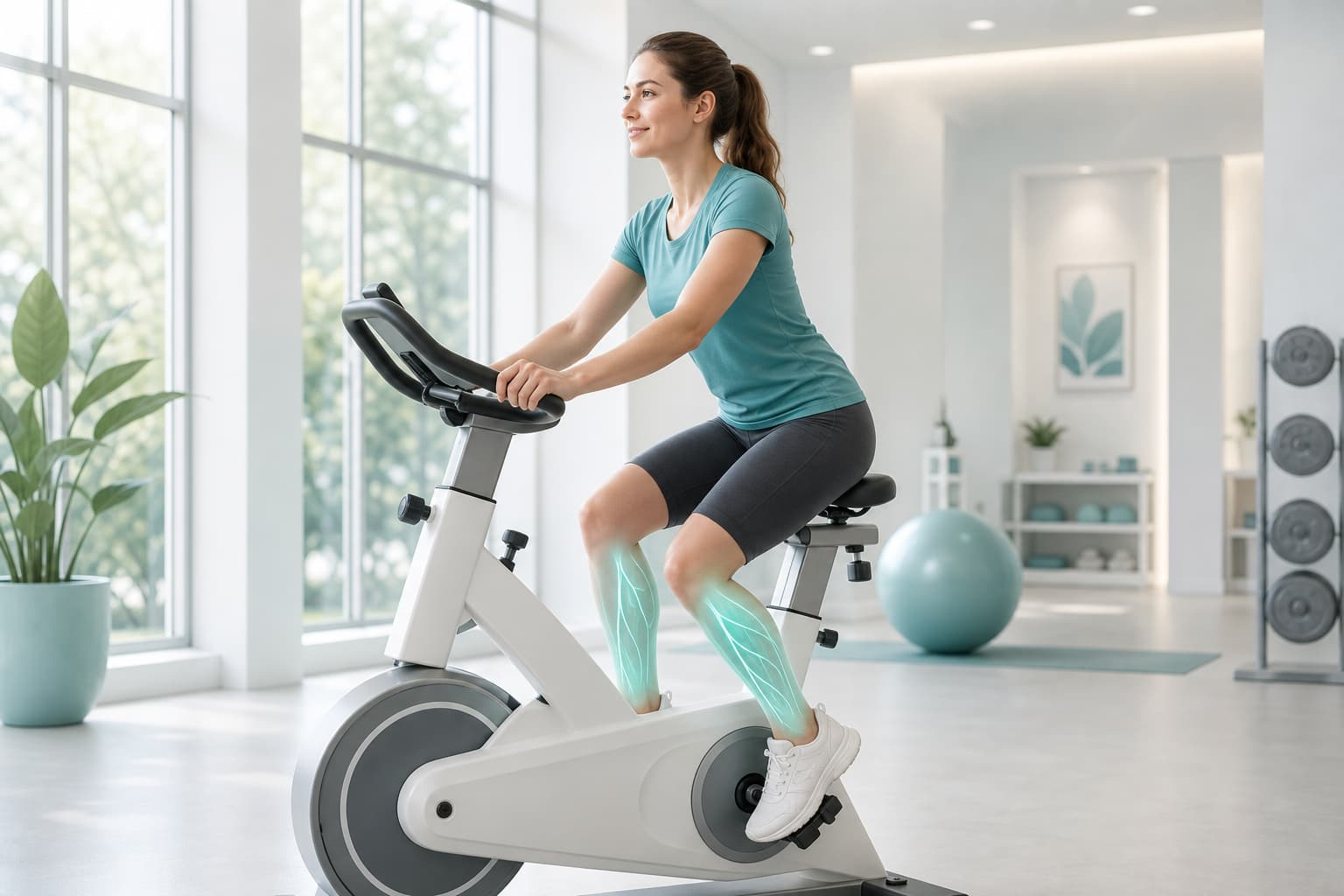
Low-impact aerobic activities are the gold standard for venous health. These exercises engage the calf muscles rhythmically and repeatedly, which directly activates the natural venous pump that propels blood back toward the heart.
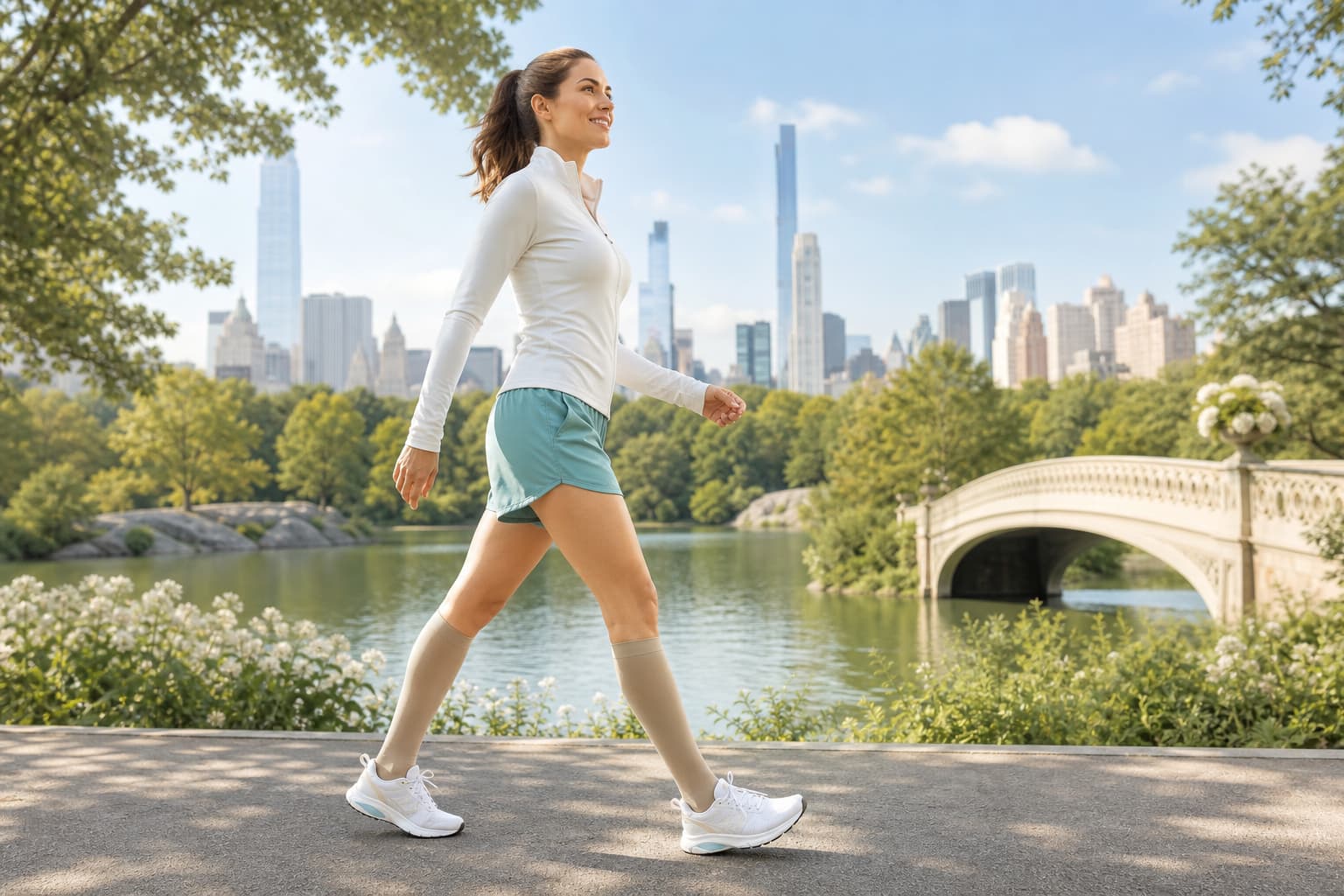
- Walking — Even 30 minutes a day significantly improves venous return. Walking is accessible, free, and ideal for patients of all ages and fitness levels. New Yorkers who commute on foot or walk between subway stops are already doing their veins a favor.
- Swimming — Arguably the best exercise for veins. The horizontal position eliminates gravitational pressure on the lower extremities, while the rhythmic kicking motion powerfully engages the calf pump. The cool water also causes blood vessels to constrict slightly, which can reduce visible swelling.
- Cycling — Whether stationary or outdoor, cycling provides continuous low-impact calf muscle activation with minimal joint stress. It's particularly effective when performed at moderate resistance over longer durations.
- Yoga and stretching — Poses that elevate the legs above the heart (such as Legs-Up-the-Wall) encourage passive venous drainage. Hip flexor and calf stretches reduce tightness that can impair circulation.
- Elliptical training — A low-impact alternative to running that engages the legs and glutes without the repetitive heel-strike impact that can aggravate venous pressure.
Exercises to Approach With Caution
Some forms of exercise significantly increase intra-abdominal pressure or venous pressure in the lower extremities. For patients who already have venous insufficiency, these activities can accelerate the progression of varicose veins or cause existing veins to worsen.
- Heavy weightlifting — Exercises like heavy squats, deadlifts, and leg presses require a Valsalva maneuver (bearing down while holding your breath), which dramatically spikes intra-abdominal and venous pressure. This doesn't mean avoiding weights entirely — lighter loads with higher repetitions are generally safer.
- Long-distance running — The repetitive impact of running can increase venous pressure with each footstrike. Patients with existing varicose veins or a strong family history should wear graduated compression stockings when running and avoid training on hard surfaces.
- Hot yoga and saunas — Heat causes blood vessels to dilate, which can temporarily worsen the appearance of surface veins and increase leg heaviness. Patients with symptomatic venous insufficiency often notice flare-ups after prolonged heat exposure.
- Standing stationary for long periods — While not technically exercise, standing in place (such as at a standing desk or during a workout class) without movement is worse for veins than sitting. If your workout involves prolonged standing, shift your weight and move your ankles regularly.
If you experience leg pain, swelling, or a burning sensation during or after exercise, don't dismiss it as normal soreness. These symptoms can indicate venous insufficiency that warrants professional evaluation.
Medical-grade compression stockings worn during exercise can meaningfully reduce venous pressure and symptom burden for patients with vein disease.
Should You Wear Compression Stockings When Exercising?
For patients with diagnosed venous insufficiency, varicose veins, or a family history of vein disease, wearing graduated compression stockings during exercise provides measurable benefits. Compression stockings work by applying graded external pressure — tightest at the ankle, gradually decreasing toward the knee — which helps veins maintain proper diameter and keeps blood flowing upward efficiently.
Medical-grade compression (15–30 mmHg) is typically recommended for exercise use. Over-the-counter "travel socks" with minimal compression provide little therapeutic benefit. If you have been diagnosed with a vein condition, ask your vein specialist about the appropriate compression class for your activity level.
Post-exercise elevation is equally important. After a workout, elevating your legs above heart level for 15–20 minutes helps drain any accumulated blood from the lower extremities and reduces post-exercise swelling.
Can Exercise Cure Varicose Veins?
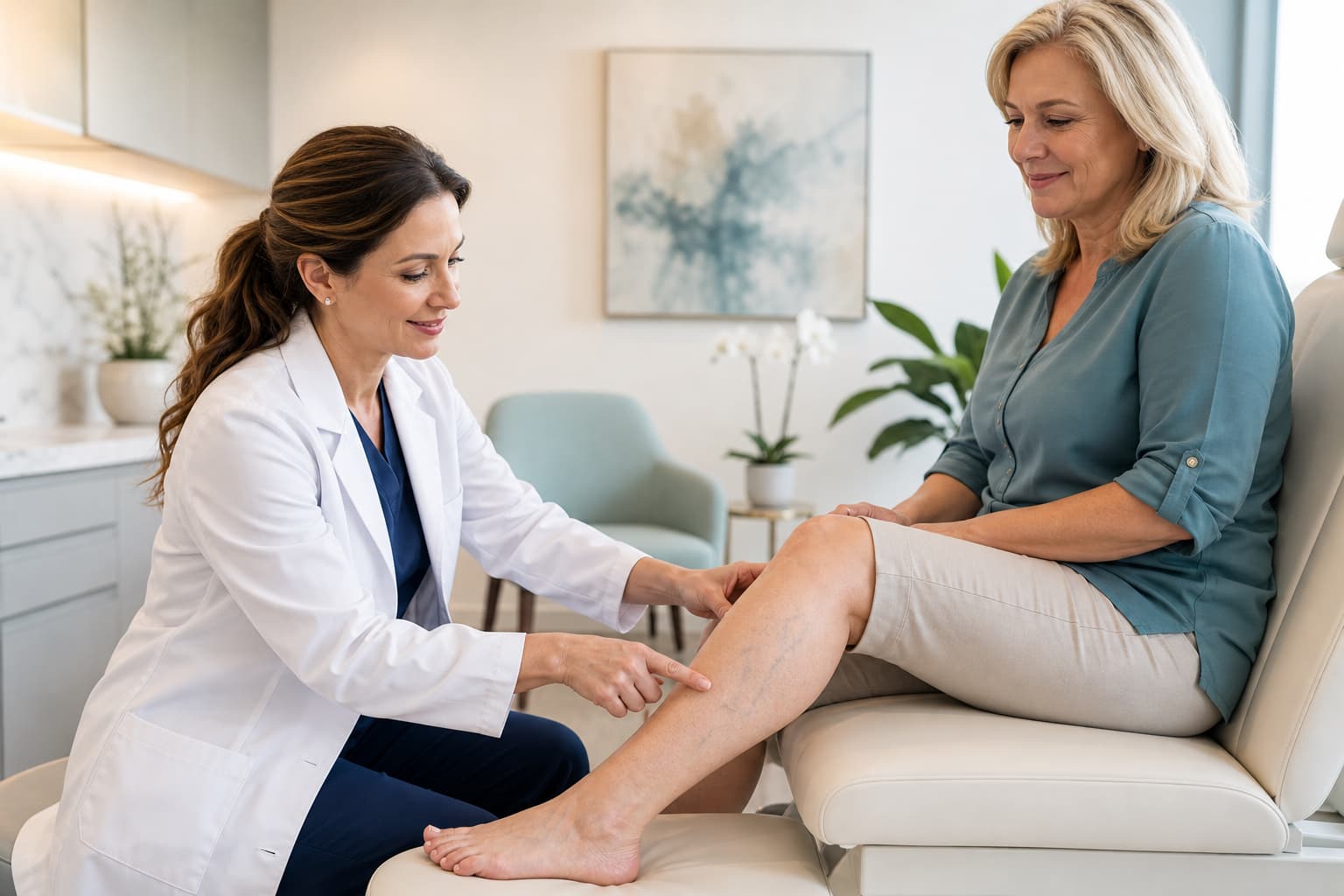
This is one of the most common questions we hear from patients at Schulman Vein and Laser Center. The honest answer: no. Exercise is an excellent tool for slowing the progression of venous disease, managing symptoms, and improving overall cardiovascular health — but it cannot reverse or eliminate varicose veins that have already formed.
Varicose veins develop when the one-way valves inside the vein become damaged or incompetent. Once a valve fails, blood refluxes backward and pools, permanently distending the vein wall. No amount of walking, swimming, or cycling will repair a damaged valve. For that, you need a minimally invasive procedure such as Endovenous Laser Therapy (EVLT) or sclerotherapy.
Think of exercise as maintenance — it protects healthy veins and helps treated veins stay healthy after a procedure. But if symptomatic varicose veins are already present, treatment is the only way to eliminate them.
Exercise improves vein health and quality of life — but it is not a substitute for treatment when varicose veins are already present and causing symptoms.
Daily habits — hydration, elevation, and posture breaks — compound over time and meaningfully reduce the risk of progressive vein disease.
Lifestyle Tips Beyond Exercise
Exercise is just one piece of a comprehensive vein health strategy. Patients who combine regular activity with smart daily habits see the best long-term outcomes.
- Maintain a healthy weight — Excess body weight increases the pressure on the venous system in the lower extremities. Even modest weight loss can reduce symptoms for patients with venous insufficiency.
- Stay hydrated — Dehydration thickens blood slightly, increasing resistance in the venous system. Aim for at least 64 oz of water daily, more during hot New York summers.
- Elevate your legs daily — Spending 15–20 minutes with your legs elevated above heart level each day helps drain pooled blood and reduces aching and swelling.
- Avoid prolonged sitting or standing — If your work requires long periods in one position, set a timer to move and flex your ankles every 30–45 minutes. Calf raises at your desk are surprisingly effective.
- Wear compression during long travel — New Yorkers traveling through JFK or LGA on long-haul flights should always wear compression stockings to prevent DVT and vein swelling.
- Choose flat or low-heeled shoes — High heels shorten the calf muscle, reducing its pumping efficiency. Low-heeled shoes or sneakers allow the full calf contraction needed for venous return.
Persistent leg symptoms despite regular exercise are a clear signal to schedule a professional vein evaluation — not to exercise harder.
When to See a Vein Specialist
If you are exercising regularly and still experiencing leg heaviness, aching, swelling, visible varicose veins, or cramping — especially after standing — it is time to see a board-certified phlebologist. These symptoms indicate that exercise alone is not sufficient to manage your venous disease.
At Schulman Vein and Laser Center, we offer a Free Vein Screening at our Manhattan, Manhasset, and Commack offices. During your screening, one of our physicians will evaluate your legs, discuss your symptoms and lifestyle, and recommend a personalized treatment plan. Many of our patients are surprised to learn that their vein treatment is covered by insurance — including Medicare — when symptoms meet medical necessity criteria.
Our minimally invasive treatments are performed in-office with no general anesthesia and same-day recovery, so you can return to your walking routine the very next day.
You don't need a referral to schedule a free vein screening at Schulman Vein and Laser Center. Call our Manhattan office at 212.987.0500, Manhasset at 516.482.4477, or Commack at 631.543.4599.
Frequently Asked Questions
Is it safe to exercise with varicose veins?
Yes — in fact, low-impact exercise is recommended for most patients with varicose veins. Walking, swimming, and cycling are especially beneficial. Avoid heavy weightlifting and prolonged standing without movement. Wear compression stockings during exercise for additional support.
Can walking get rid of varicose veins?
Walking is excellent for vein health and helps manage symptoms, but it cannot reverse varicose veins that have already formed. Once a vein valve is damaged, only minimally invasive treatments like EVLT or sclerotherapy can eliminate the affected vein.
What exercise is worst for varicose veins?
Heavy resistance exercises that involve Valsalva breathing (squats, deadlifts, heavy leg presses) cause the greatest spike in venous pressure and are most likely to aggravate varicose veins. Long-distance running on hard surfaces is also worth modifying if you have significant venous insufficiency.
How soon after vein treatment can I exercise?
Most patients can return to light walking the day after treatment. Low-impact activities like swimming and cycling are typically cleared within 1–2 weeks. Your physician will provide specific post-procedure guidance based on your treatment type.
Related Treatment Resources
Need Personalized Vein Care?
Schedule a physician-led evaluation and review treatment options tailored to your symptoms and goals.